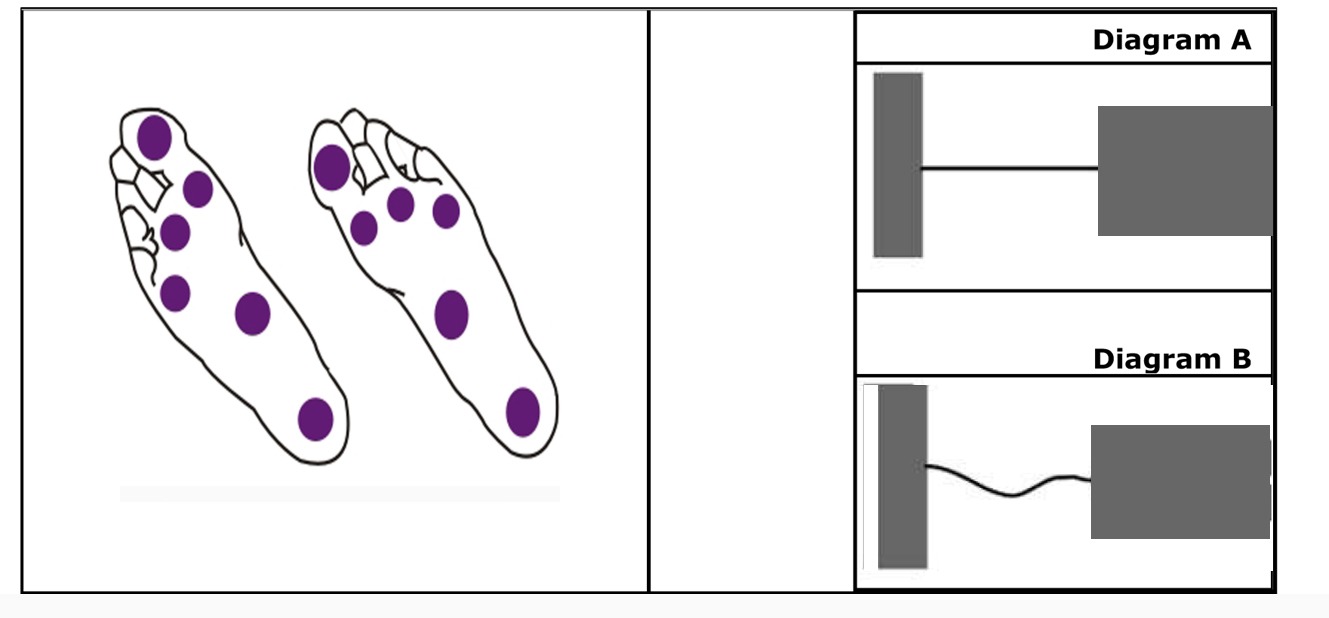
The 10gm monofilament is a cornerstone in the management of diabetic neuropathy, serving as a simple, inexpensive, and effective screening tool for a critical condition known as Loss of Protective Sensation (LOPS). Its role is not to diagnose diabetic neuropathy in its entirety, but to identify patients at a high risk of developing foot ulcers and subsequent amputations.
How it Works
A 10g monofilament is a thin, flexible nylon filament attached to a handle. When pressed against the skin, it is calibrated to bend or “buckle“ when exactly 10 grams of force is applied. This consistent, standardized pressure is what makes it so useful.
During the test, a healthcare professional will:
1. Explain the procedure to the patient, often demonstrating the sensation on the patient's arm first.
2. Ask the patient to close their eyes to ensure the test is a true measure of sensation, not vision.
3. Apply the monofilament perpendicularly to specific, standardized sites on the plantar (bottom) surface of the foot until it bends.
4. Ask the patient to say “yes“ when they feel the pressure.
5. Test multiple sites on both feet, typically including the big toe and the heads of the first, third, and fifth metatarsals.
Its Critical Role in Diabetic Neuropathy Management
The 10g monofilament test is vital for the following reasons:
• Detecting Loss of Protective Sensation (LOPS): The primary use of the monofilament is to determine if a patient has lost the ability to feel a pressure of 10 grams. If a person cannot feel this amount of pressure, it signifies that the nerve damage is significant enough that they may not feel a small pebble in their shoe, a developing blister, or a minor cut. This lack of “protective sensation“ is a major risk factor for foot ulcers.
• Identifying High-Risk Patients: A positive test (failure to feel the monofilament at one or more sites) immediately classifies a patient as being at high risk for foot complications. This prompts healthcare providers to take proactive steps to prevent ulcers.
• Guiding Preventive Care: The results of the test guide a patient's management plan. For a patient with LOPS, the healthcare team will:
o Emphasize patient education: Teaching the patient the importance of daily foot checks, proper hygiene, and the dangers of walking barefoot.
o Recommend appropriate footwear: Prescribing special shoes or custom orthotics to redistribute pressure away from high-risk areas.
o Schedule more frequent follow-up visits: To monitor the patient's feet for any signs of skin breakdown.
• Cost-Effectiveness and Accessibility: The monofilament test is incredibly inexpensive, easy to perform, and requires minimal training. This makes it an ideal screening tool for primary care clinics, especially in resource-limited settings.
While the 10g monofilament is not a definitive diagnostic tool for all types of diabetic neuropathy (it primarily assesses large nerve fiber function), its ability to identify LOPS makes it a powerful and essential first-line defence in the fight to prevent diabetic foot complications. It is a simple tool with a profound impact on saving limbs and improving the quality of life for people with diabetes.
Please write to elango@diabetikfootcare.com for any queries.